
For years, bigger homes were often seen as the goal. More square footage, more rooms, more storage. But lately, many families are starting to rethink that equation.
More and more people are intentionally choosing smaller homes—not because they have to, but because they’re realizing bigger isn’t always better.
What Families Are Prioritizing Instead
For some, it’s financial breathing room. A smaller home can mean lower monthly payments, lower utility bills, less maintenance, and more flexibility in the budget. Instead of stretching to maximize space, families are choosing to create margin.
For others, it’s about lifestyle.
A large home can come with a surprising amount of upkeep—cleaning, repairs, yard work, furnishing extra rooms that rarely get used. Many families are deciding they’d rather spend less time managing their house and more time actually living in it.
Some common reasons families are downsizing or buying smaller include:
- Wanting lower monthly expenses
- Reducing maintenance and cleaning time
- Prioritizing location over square footage
- Creating more financial flexibility
- Simplifying life during a busy season
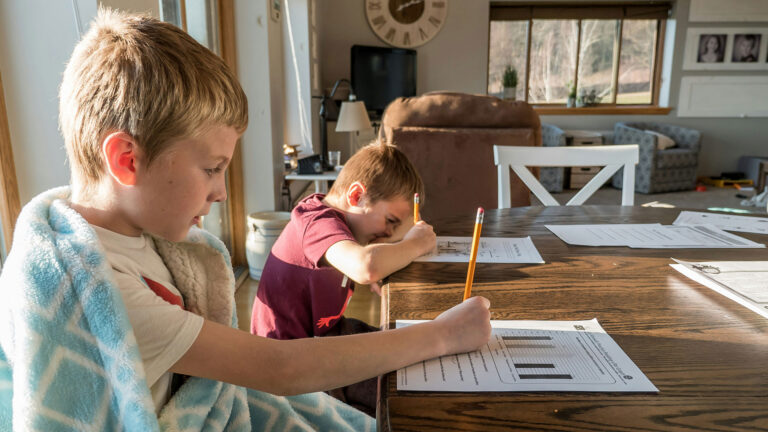
Interestingly, smaller homes also tend to encourage togetherness. Families often spend more time in shared spaces instead of everyone disappearing into separate rooms.
That doesn’t mean smaller homes are perfect for everyone. But for many people, the definition of a “dream home” is changing. Instead of asking, “How much house can we get?” families are asking, “What kind of life do we want our home to support?”
And for a growing number of homeowners, a simpler, more manageable space is starting to sound pretty appealing.
If you’re on the search for a home – no matter the size – our family team is here to help you every step of the way.